The Allegory
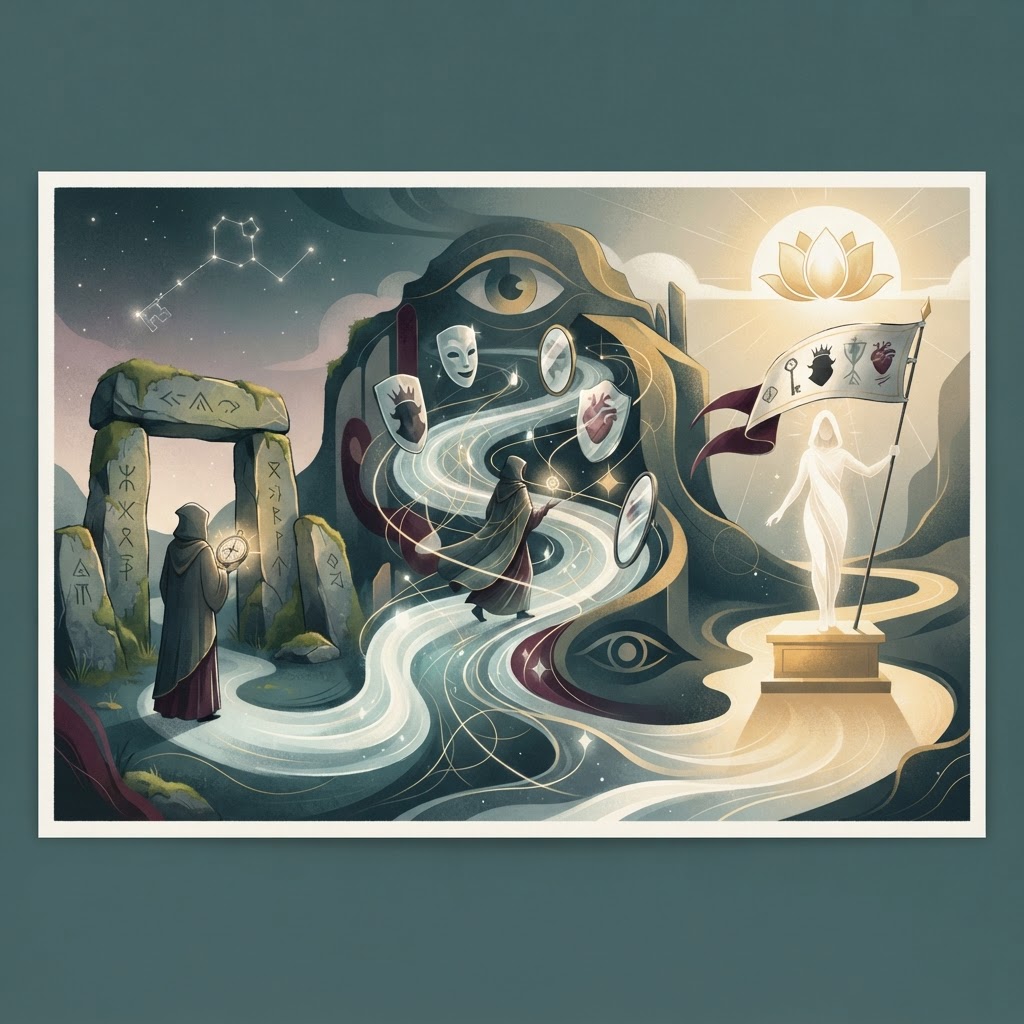
Allegory transforms every component of a narrative—characters, places, objects, or actions—into a vector for abstract ideas, allowing for a symbolic dimension to be superimposed upon the concrete plot. Here, the narrative engine rests on a conflict of values or worldviews, such as the opposition between freedom and security, which transcends the simple individual fate of the protagonists. The tension progresses through a succession of allusive situations where the hero, guided by tutelary or critical figures, faces trials illustrating their moral struggle leading up to a metaphorical climax. The major interest of this structure lies in its capacity to provoke reflection as much as emotion, offering the reader a second level of interpretation concerning fundamental questions such as justice, power, or truth. Ideal for fables, satires, dystopias, or philosophical narratives, allegory excels when the story remains coherent and captivating at the primary level while inviting deciphering. In the OGMAI ecosystem, this structure is versatile: it can form the backbone of an entire work or act as a sub-structure. In the latter case, it enriches a secondary arc, deepens an emotional thread, or provides a strong trajectory for a specific character. For example, within a contemporary thriller, allegory can serve to complicate an investigation or to materialize the psychological stakes of a personal quest. The narrative concludes with an ethical resolution or a meditative opening, where the understanding of symbols allows the hero, just like the reader, to arrive at a transformed vision or a clear judgment on the central theme explored.