
The National Resilience Plan
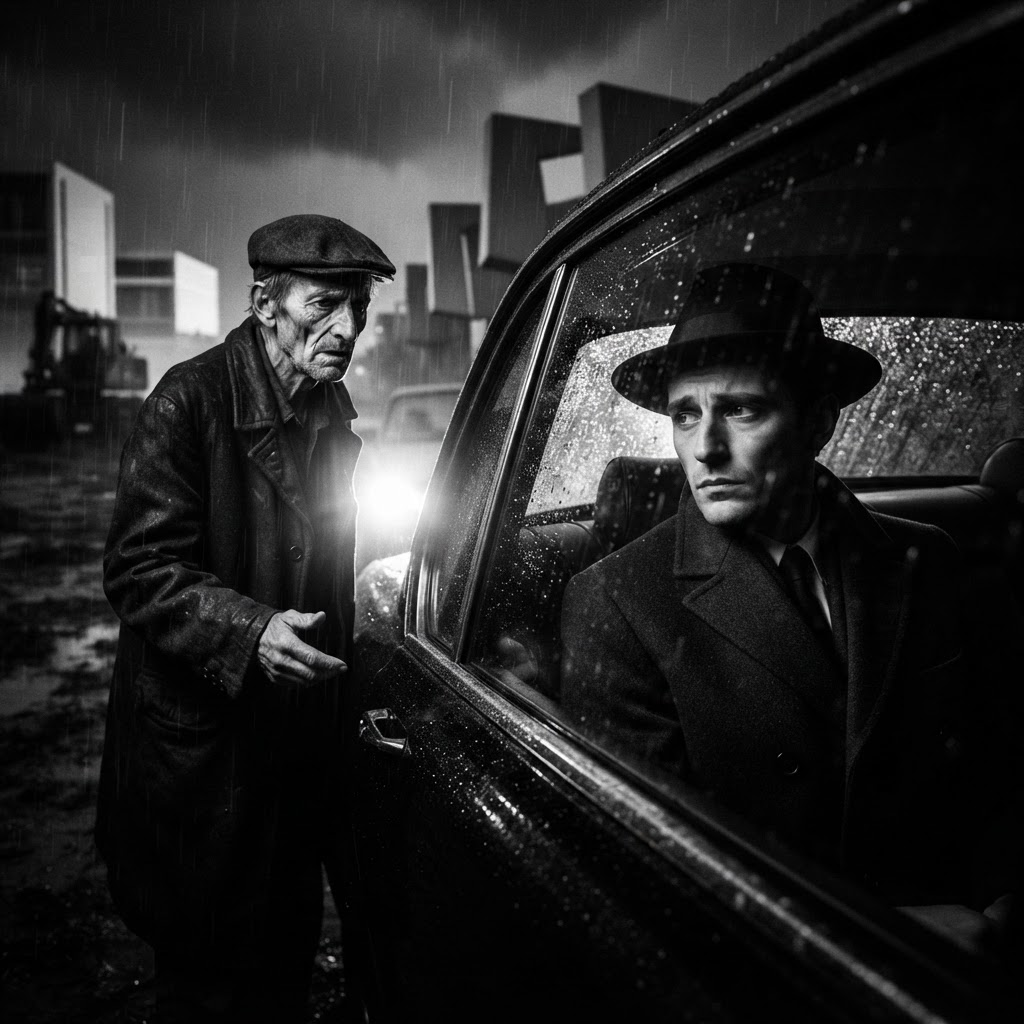
The minister was named Julien Derand. A former student of the ENA. Son of farmers. He had promised to serve living things, wanted to do good, spoke of transition, pragmatic ecology, and sustainable development. He said, "We cannot turn back. We must move forward with technology. Rationalize. Mutualize. Urbanize intelligently."
So he launched a project: The National Resilience Plan. Rural areas gathered into hubs. Connected farms. Recalibrated forests. "Modernized" villages. There were inaugurations. Articles. Applause. But in some places, the earth bled, springs ran dry, children fell ill, and the elderly, for no apparent reason, stopped speaking.
One day, while visiting a former marshland converted into a technopark, an old man called out to him. "You know, Mr. Minister, when you put concrete on your mother's belly, she stops feeding." Julien smiled, politely, and drove away in his armored car.
That night, he dreamed of a ripped-open hill, of a stone beast sitting on a throne of cables. It spoke softly, "I stole nothing. You gave me everything. And I bless you, minister. With buildings. And silence." In the morning, he signed two more decrees. Then he went to sit alone, in a clearing amidst the rubble. And for the first time, he wept. But it was too late. He no longer had a scent. No more shadow. No more name. He was nothing more than a title. A calamity.